When you open a children's book, the illustrations are often the first thing that captures attention. They do more than just decorate the pages, they tell a story, set a mood, and help young readers connect with the characters and plot. Understanding different illustration styles can help you appreciate the artistry and choose books that truly resonate with your child.
What are Classic and Traditional Illustration Styles?
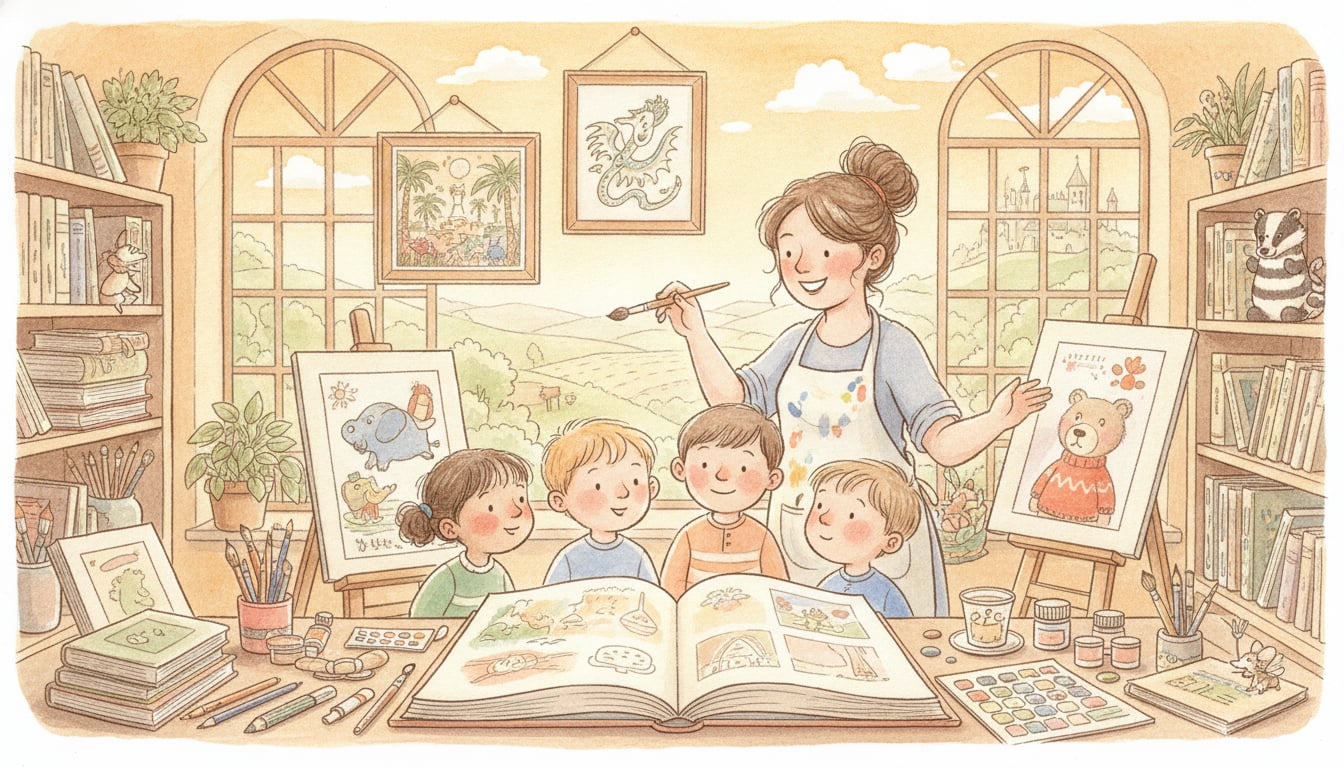
Classic and traditional styles in children's books often feature soft lines, detailed scenes, and a warm, inviting feel. These illustrations tend to use a more realistic or gently stylized approach, focusing on comfort and familiarity for young children. Think about the comforting watercolor paintings and detailed pencil drawings seen in books like Beatrix Potter's tales, which create a sense of timelessness and gentle charm. These illustrations often evoke a nostalgic feeling, reminiscent of children's books from the 80s and 90s.
How Do Bold and Graphic Modern Styles Look?
Bold and graphic modern styles often feature strong lines, vibrant colors, and simplified shapes, making them very appealing to toddlers and preschoolers. Character designs in this style are often slightly abstract or exaggerated, conveying emotion clearly and directly. Consider the bright, often blocky illustrations seen in many contemporary board books, designed for high visual impact and clarity, perfect for little hands and developing eyes.
What is Whimsical and Fantastical Art in Children's Books?
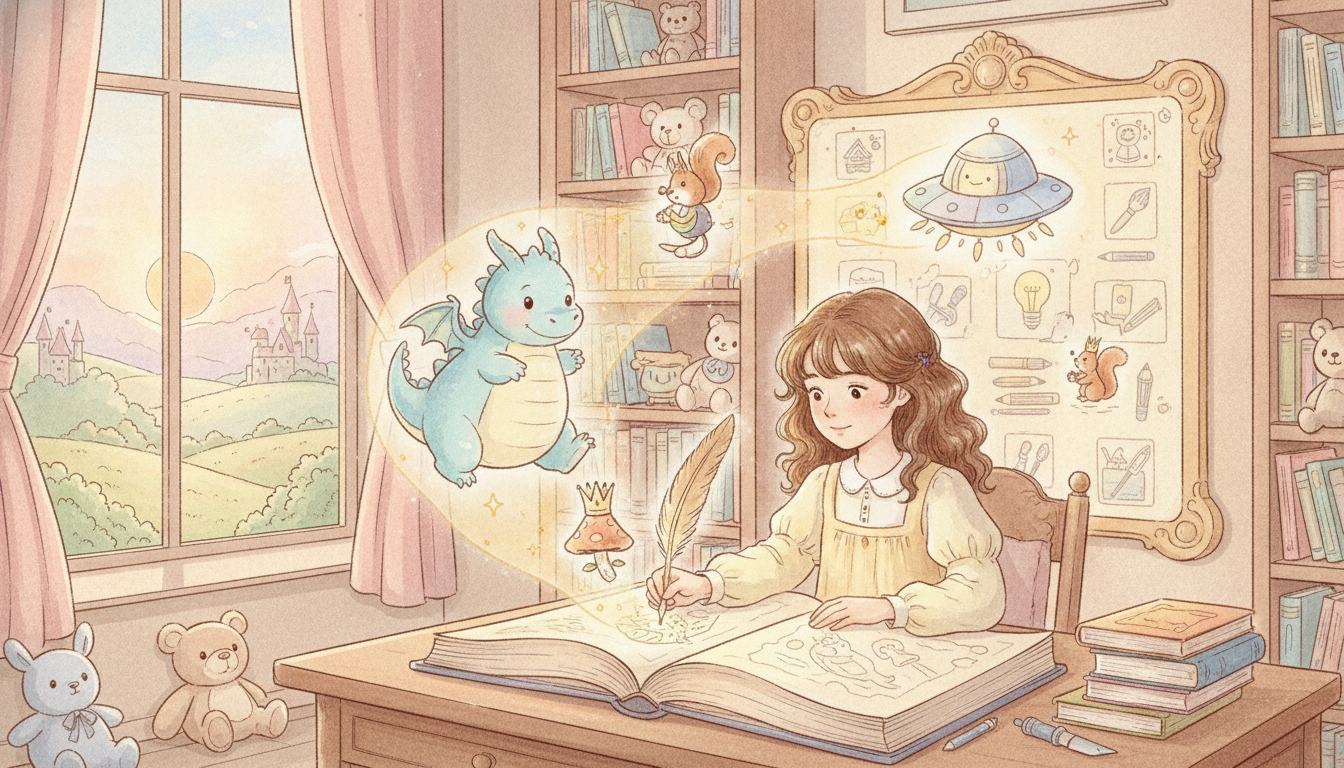
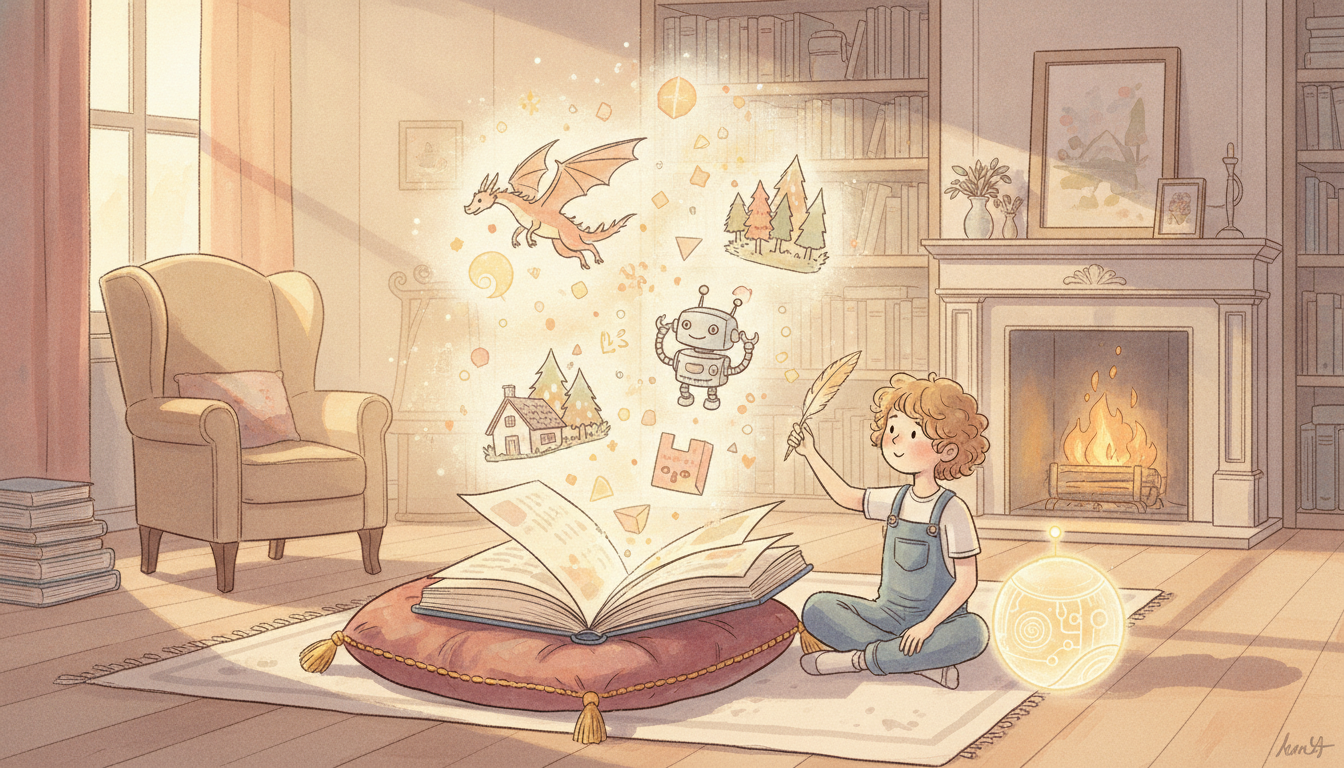
Whimsical and fantastical art styles often play with perspective, scale, and imaginative elements, creating magical or dreamlike worlds for readers. Illustrators in this category might use unique textures, unusual color palettes, and playful character designs to spark wonder. Picture illustrations where animals talk, objects float, or environments are completely reimagined, encouraging creative thinking and inviting children into a world of pure imagination. These styles often push boundaries beyond typical illustrator examples.
Textured and Mixed Media Approaches in Illustration
Some illustrators incorporate various materials like collage, fabric, or even digital textures to add depth and tactile interest to their artwork. This can make illustrations feel more handcrafted and unique, inviting children to look closer at the different elements. Imagine illustrations that look like they are made from cut paper, yarn, or even photographs blended with drawings. This approach adds a rich visual layer that can be incredibly engaging, making each page a discovery. It’s a creative way to bring stories to life, distinct from purely drawn or painted scenes.
Why Character Consistency Matters in Children's Books
No matter the illustration style, one of the most important aspects is how the main character looks and feels from page to page. Children connect deeply with characters, and seeing them consistently helps build trust and familiarity with the story. When a character's appearance changes too much, even small details, it can be confusing for a young reader and break their immersion in the story. This consistency helps children follow the narrative, especially as they learn to recognize and name characters. Tools like Fablekit make this easy, ensuring your character always looks just right.
Frequently Asked Questions
What makes a good children's book illustration?
A good children's book illustration is engaging, clear, and supports the story. It should capture a child's attention, help them understand the narrative, and evoke appropriate emotions or curiosity.
How do different illustration styles affect young readers?
Different illustration styles can appeal to various age groups and developmental stages. Bold, clear styles are great for toddlers, while detailed or whimsical styles can spark imagination in older preschoolers and early readers.
Are there specific illustrator examples known for consistent characters?
Many classic illustrators are masters of character consistency, such as E.H. Shepard for Winnie the Pooh or Maurice Sendak for Where the Wild Things Are. Their characters are instantly recognizable on every page, a hallmark of great children's books.
What is the 5 finger rule for books?
The 5 finger rule is a simple method for children to check if a book is at their reading level. If they encounter five or more words they don't know on a single page, the book might be too challenging for independent reading at that moment.