Creating a children's book is a wonderful project, but finding the right art can feel overwhelming. Professional illustrators are fantastic, but their services can be costly. Many parents and educators look for budget-friendly alternatives, especially when just starting out. The good news is there are several ways to source illustrations without breaking the bank, sometimes even finding them for free.
What Does 'Free' Really Mean for Illustrations?
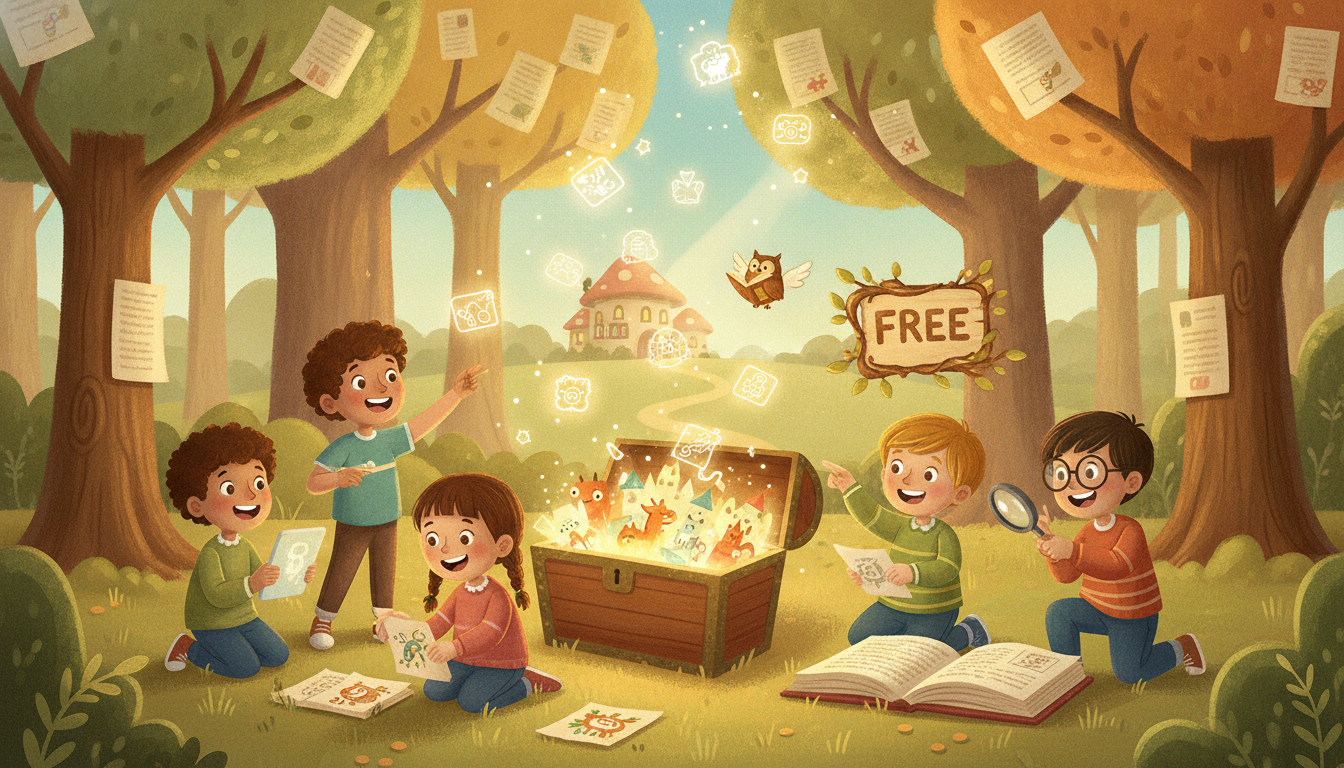
When you're searching for illustrations for children's books free, true 'free' usually means public domain or Creative Commons Zero (CC0) licenses. These allow you to use the image for any purpose, including commercial projects, without needing to credit anyone. Many images found online labeled 'free' still come with conditions, such as requiring attribution to the artist or having restrictions on commercial use. Always check the specific license details for each image you consider using.
Where Can You Find Public Domain and Creative Commons Art?
Public domain works are those where copyright has expired, often including older illustrations, classic art pieces, or government-created materials. Websites like Wikimedia Commons are a great starting point, as are digital collections from various museums worldwide. For modern art, look for Creative Commons licenses, specifically CC0, which means 'no rights reserved' and offers the most freedom for use. While historical illustrations can be charming, consider if their style aligns with your story's overall tone and modern appeal.
Using AI Illustration Tools for Your Storybook
AI image generators are a rapidly evolving option for creating illustrations for children's books. They can produce unique images quickly, and many platforms offer free introductory tiers or affordable subscription models. The main challenge with AI illustrations for children's books is maintaining character consistency. AI often struggles to render the same character identically across different scenes, which is crucial for a cohesive story. Be prepared to spend time refining your prompts, generating multiple versions, and potentially making minor edits yourself to ensure your main character looks consistent throughout the book. This iterative process is key to getting AI-generated art to work for your story.
Are There Other Budget-Friendly Ways to Get Illustrations?
Yes, beyond truly free options, there are several ways to get affordable art. You might consider creating simple, stylized illustrations yourself, even with basic drawing skills or easy-to-use digital tools. Sometimes a minimalist approach works beautifully for young readers. Stock illustration sites offer affordable packages or subscription services, providing access to a wide range of styles for a lower cost than a custom commission. Another idea is to connect with art students at local colleges or universities who might be looking for portfolio work. This could provide custom illustrations at a more accessible price, though it requires more direct coordination on your part.
Key Considerations Before You Publish Your Illustrated Book
Regardless of where you source your illustrations, it's vital to ensure you have the clear, legal rights to use them for publication. This is especially important if you plan to sell your children's book. Beyond legalities, think about the overall visual narrative. Do the illustrations flow well from page to page? Is the style consistent throughout? Children's books benefit immensely from art that not only depicts the story but also adds warmth, emotion, and visual interest for young eyes. The right storybook illustration enhances the reading experience and draws children deeper into the world you've created. Tools like Fablekit make this easy by allowing you to generate and maintain consistent characters across your story.
Frequently Asked Questions
What is the difference between public domain and Creative Commons Zero (CC0) licenses for illustrations?
Public domain works are those whose copyrights have expired, making them free for anyone to use without restriction. Creative Commons Zero (CC0) is a specific license that allows creators to waive all copyright and place their work directly into the public domain, offering the same freedom of use for more modern creations.
Can I use any image I find online if it's labeled 'free illustrations' for my children's book?
Not necessarily. Many images labeled 'free' online still have specific usage restrictions, such as requiring attribution to the artist, or prohibiting commercial use. Always check the specific license for each image to ensure you have the legal right to use it in a published work, especially if you plan to sell it.
How can I ensure character consistency when using AI illustrations for children's books?
Maintaining character consistency with AI tools requires careful prompting and iteration. Focus on highly detailed descriptions of your character in your prompts. You may need to generate many images and select the best ones, or use advanced features within the AI tool to define and reuse a character's core visual traits across different scenes.
What are some good resources for finding public domain illustrations?
Excellent resources for public domain illustrations include Wikimedia Commons, the digital archives of major museums like The Metropolitan Museum of Art or the Rijksmuseum, and government archives. These sites often host vast collections of older artworks and historical images that are copyright-free.